Post
Top Smartphone Trends Shaping the Industry
Jun
Top Smartphone Trends Shaping the Industry
When it comes to modern consumer technology, few products evolve as rapidly as smartphones. Over the past decade, smartphones have transformed from simple communication devices into powerful tools that support work, entertainment, education, content creation, and daily life management. As technology continues to advance, manufacturers are constantly introducing new features and innovations designed to meet changing consumer expectations.
The smartphone industry remains one of the most competitive sectors in the technology market. Leading brands invest billions of dollars in research and development to create devices that offer better performance, enhanced cameras, longer battery life, improved connectivity, and innovative designs. These advancements not only influence how smartphones are used today but also shape the future of mobile technology.
Understanding the latest smartphone trends can help consumers make smarter purchasing decisions and gain insight into where the industry is heading. Whether you are planning to buy a new smartphone, follow technology developments, or simply stay informed, recognizing these trends provides valuable perspective on the future of mobile devices.
One of the most significant trends shaping the smartphone industry is artificial intelligence. AI has become deeply integrated into modern smartphones, enhancing everything from photography and voice assistants to battery management and security features. Advanced AI algorithms can optimize camera settings automatically, improve image quality, recognize scenes, and even remove unwanted objects from photos. Beyond photography, AI helps smartphones learn user habits, manage power consumption more efficiently, and provide personalized experiences.
Another major trend is the continued expansion of 5G connectivity. As 5G networks become more widely available around the world, smartphone manufacturers increasingly prioritize compatibility with these faster networks. 5G technology enables quicker downloads, lower latency, smoother video streaming, improved online gaming, and enhanced cloud-based applications. This trend supports the growing demand for high-speed mobile internet and more connected digital experiences.
Foldable smartphones have also emerged as one of the industry’s most exciting innovations. These devices feature flexible display technology that allows users to enjoy larger screens while maintaining portability. Foldable phones offer unique advantages for multitasking, productivity, media consumption, and gaming. Although still relatively expensive, improvements in durability and affordability continue to drive interest in this category.
Camera technology remains a key area of competition among smartphone manufacturers. Modern devices now feature sophisticated multi-camera systems capable of producing professional-quality photos and videos. Innovations such as computational photography, periscope zoom lenses, advanced image stabilization, and AI-enhanced processing allow users to capture stunning content in a wide range of conditions. As social media and content creation continue to grow in popularity, camera performance remains a major purchasing factor.
Display technology is another rapidly evolving area. High refresh rate screens, AMOLED panels, LTPO technology, and brighter displays have become increasingly common across various price segments. Consumers now expect smoother scrolling, vibrant colors, deeper contrast, and improved outdoor visibility. These enhancements significantly improve the overall smartphone experience.
Battery innovation continues to play a crucial role in smartphone development. While battery capacity remains important, manufacturers increasingly focus on efficiency and charging technologies. Fast charging, wireless charging, and intelligent power management systems allow users to spend less time connected to charging cables and more time using their devices. Some smartphones can now charge from near-empty to significant capacity in less than thirty minutes.
Sustainability has become an increasingly influential trend within the smartphone industry. Consumers are paying greater attention to environmental impact, prompting manufacturers to adopt more sustainable practices. Companies are using recycled materials, reducing packaging waste, improving energy efficiency, and extending software support periods. These initiatives help reduce electronic waste and promote more responsible technology consumption.
Longer software support has become another important competitive factor. Consumers expect smartphones to remain secure and functional for several years after purchase. In response, many manufacturers now promise extended operating system updates and security patches. Longer support periods increase device longevity and provide better long-term value.
Enhanced security features continue to gain importance as smartphones store increasing amounts of personal and financial information. Biometric authentication methods such as fingerprint scanners and facial recognition systems have become more sophisticated. Additional security tools, including encrypted storage, privacy controls, and advanced malware protection, help users safeguard sensitive data.
Cloud integration is another trend shaping smartphone usage. Modern smartphones seamlessly connect with cloud storage services, enabling users to access files, photos, documents, and applications across multiple devices. This integration supports productivity, collaboration, and remote work while simplifying data management.
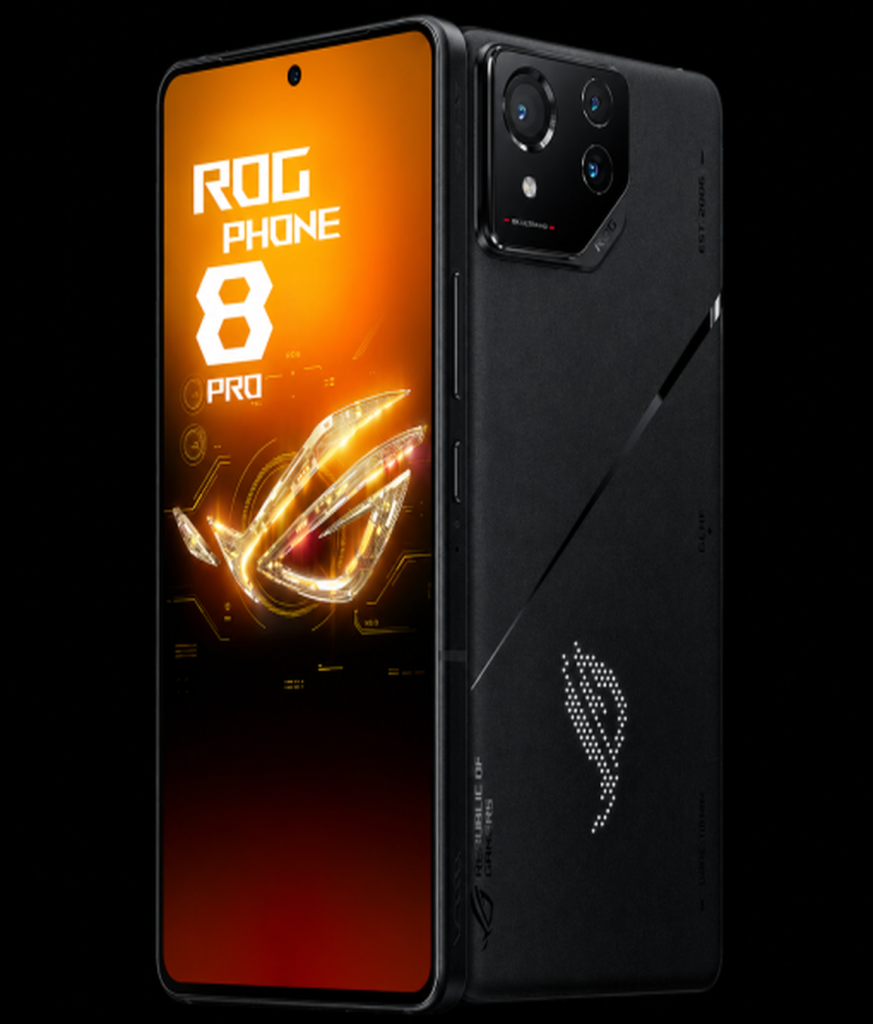
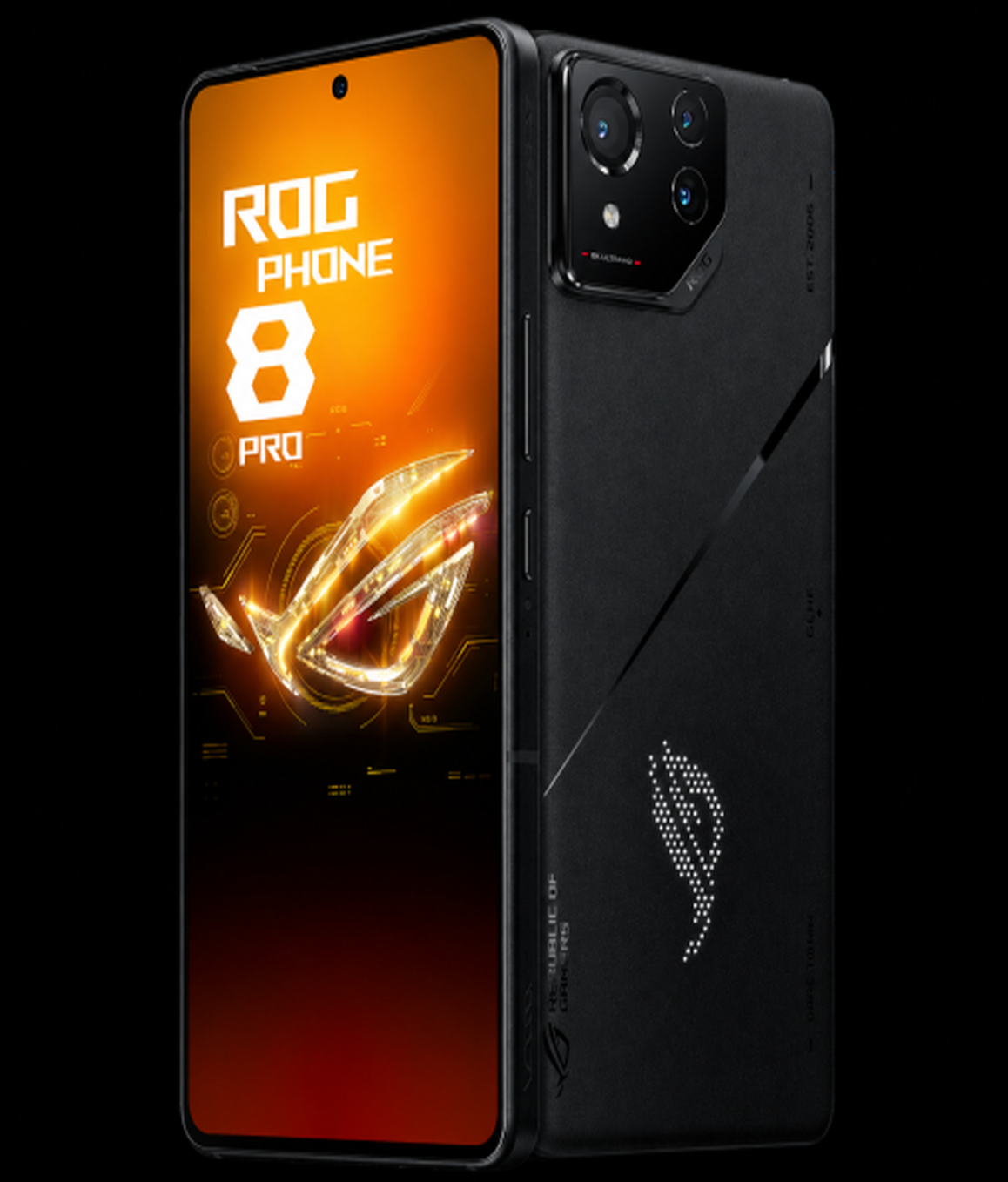
Gaming smartphones have also become a growing segment of the industry. Mobile gaming now generates billions of dollars annually, encouraging manufacturers to develop devices optimized for gaming performance. Features such as advanced cooling systems, high refresh rate displays, powerful processors, and enhanced touch responsiveness appeal to dedicated gamers seeking competitive advantages.
The rise of eSIM technology represents another notable trend. eSIMs eliminate the need for physical SIM cards, making it easier for users to switch carriers, manage multiple phone numbers, and connect to mobile networks while traveling internationally. As adoption expands, eSIM technology may eventually become the industry standard.
Health and wellness features have gained popularity as smartphones become more integrated into everyday lifestyles. Modern devices can track activity levels, monitor sleep patterns, provide wellness reminders, and integrate with wearable technology. These capabilities support healthier habits and improve personal well-being.
Augmented reality is gradually becoming more practical and accessible through smartphone technology. Improved sensors, cameras, and processing power enable more immersive AR experiences across gaming, shopping, education, and navigation applications. As AR technology matures, it may play an increasingly significant role in mobile computing.
The smartphone industry continues to evolve rapidly, driven by innovation and changing consumer demands. These trends highlight the ongoing transformation of smartphones from communication devices into comprehensive digital platforms that support virtually every aspect of modern life.
Why Choose This Product?
Choosing a smartphone that incorporates the latest industry trends provides several significant advantages. Modern smartphones equipped with advanced technologies deliver improved performance, enhanced convenience, and greater long-term value compared to older devices.
One of the primary benefits is access to cutting-edge features. AI-powered tools, advanced cameras, high-refresh-rate displays, and 5G connectivity enhance everyday activities such as communication, entertainment, productivity, and content creation. These innovations create a more seamless and enjoyable user experience.
Future-ready connectivity is another important advantage. Smartphones that support emerging technologies such as 5G and eSIM are better positioned to remain relevant as networks and services continue to evolve. This future-proofing helps maximize the value of the investment.
Enhanced security features provide additional peace of mind. Modern devices incorporate sophisticated protection mechanisms that help safeguard personal information, financial data, and online accounts. As digital security becomes increasingly important, these features offer meaningful benefits.
Longer software support contributes to device longevity and reliability. Smartphones that receive regular updates remain secure, compatible with new applications, and capable of supporting evolving user needs. This extended lifespan reduces the need for frequent upgrades.
Sustainability initiatives also make newer smartphones more appealing. Consumers who value environmentally responsible products can benefit from devices designed with recycled materials, improved efficiency, and longer support cycles.
By choosing a smartphone that reflects current industry trends, users gain access to innovative technologies that improve convenience, performance, and overall satisfaction.
Conclusion
The smartphone industry continues to evolve at an impressive pace, introducing innovations that reshape how people communicate, work, learn, and entertain themselves. Trends such as artificial intelligence, 5G connectivity, foldable designs, advanced cameras, improved displays, sustainability initiatives, and enhanced security are transforming the mobile technology landscape.
These developments reflect changing consumer expectations and the industry’s commitment to delivering more capable, efficient, and versatile devices. As smartphones become increasingly central to daily life, manufacturers will continue exploring new ways to improve functionality and user experiences.
Understanding the trends shaping the smartphone industry helps consumers make informed purchasing decisions and prepare for future technological advancements. Whether seeking better performance, stronger security, enhanced productivity, or more immersive entertainment, modern smartphone innovations offer valuable benefits for a wide range of users.
As the industry moves forward, smartphones will likely become even more intelligent, connected, and adaptable. Consumers who stay informed about emerging trends will be better equipped to choose devices that meet their current needs while remaining relevant for years to come.
Ultimately, the future of smartphones is defined by continuous innovation, and the trends shaping the industry today will serve as the foundation for tomorrow’s mobile experiences.
