Post
Best Phones for Mobile Photography
Jun
Best Phones for Mobile Photography
When it comes to capturing life’s most memorable moments, few devices are as important as a smartphone with an excellent camera system. Much like selecting the perfect product that combines quality, reliability, and performance, choosing the right smartphone for mobile photography requires careful consideration. Over the past decade, smartphones have transformed from simple communication devices into powerful photography tools capable of producing stunning images and professional-quality videos.
Today, mobile photography plays a significant role in everyday life. People use smartphones to document vacations, family gatherings, special events, social media content, business activities, and creative projects. Because smartphones are almost always within reach, they have become the preferred camera for millions of users worldwide. As a result, smartphone manufacturers continue to invest heavily in camera technology, making photography one of the most competitive areas of innovation in the mobile industry.
Modern smartphones now feature advanced camera systems that rival dedicated cameras in many situations. Improvements in image sensors, computational photography, artificial intelligence, optical stabilization, and software processing have dramatically elevated the quality of smartphone photography. Consumers searching for the best phones for mobile photography have more options than ever before, ranging from premium flagship devices to highly capable mid-range models.
One of the most important aspects of mobile photography is image quality. A great camera smartphone should consistently capture sharp details, accurate colors, balanced exposure, and natural-looking images across various lighting conditions. While megapixel counts often receive significant attention in marketing campaigns, image quality depends on numerous factors beyond resolution alone.
Sensor size plays a crucial role in photography performance. Larger sensors can capture more light, resulting in better image quality, improved dynamic range, reduced noise, and enhanced low-light performance. Many modern photography-focused smartphones now feature larger image sensors that contribute significantly to their imaging capabilities.
Low-light photography has become one of the defining features of modern smartphone cameras. Advanced night modes use sophisticated software processing and artificial intelligence to brighten dark scenes, reduce image noise, and preserve important details. These technologies allow users to capture impressive photos even in challenging lighting environments.
Optical image stabilization is another key feature that improves mobile photography. By compensating for small hand movements during image capture, stabilization systems help produce sharper photos and smoother videos. This feature becomes especially valuable when shooting in low light or recording handheld video footage.
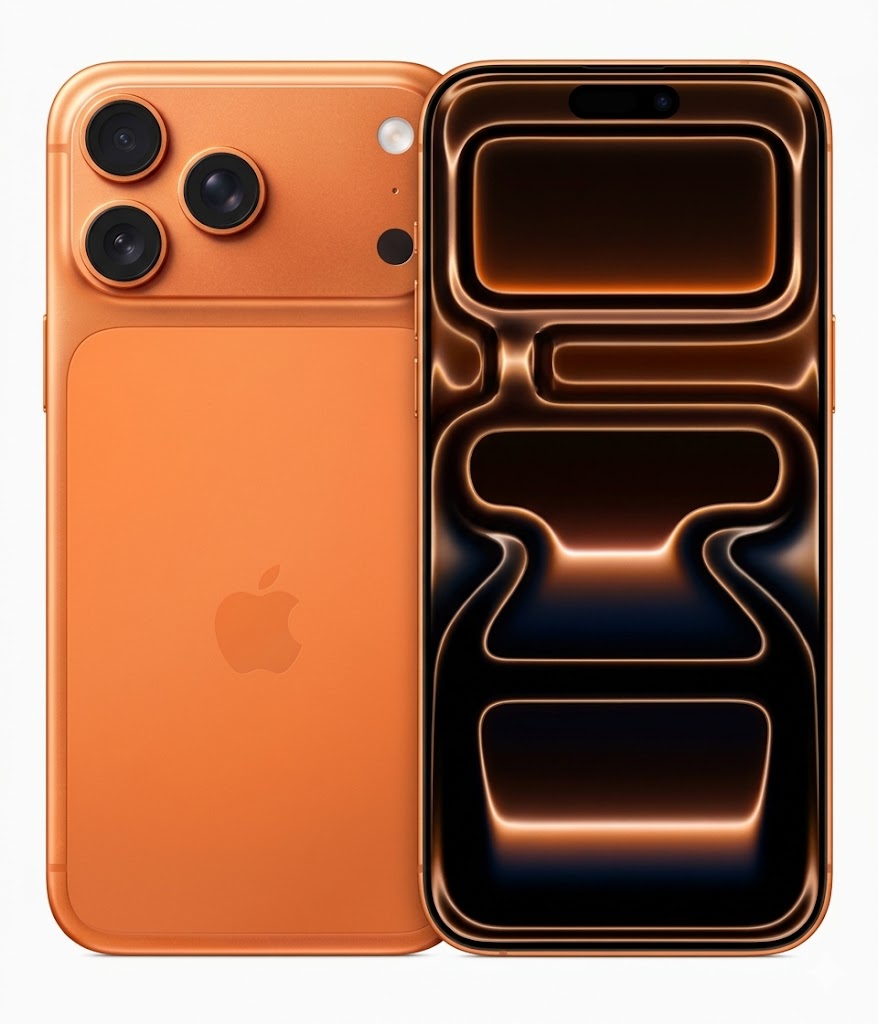
Versatility is increasingly important in smartphone photography. Many of today’s best camera phones include multiple lenses designed for different shooting situations. Wide-angle lenses are ideal for everyday photography, ultra-wide lenses capture expansive landscapes and group photos, while telephoto lenses allow users to zoom without sacrificing image quality.
Portrait photography has become extremely popular among smartphone users. Advanced camera systems use depth-sensing technologies and artificial intelligence to create professional-looking background blur effects that help subjects stand out. These features enable users to capture attractive portraits without requiring specialized photography equipment.
Video recording capabilities have also improved dramatically. Many flagship smartphones now support high-resolution video recording, advanced stabilization systems, cinematic shooting modes, and professional editing tools. Content creators, vloggers, and social media influencers often rely on smartphones as their primary video production devices.
Artificial intelligence continues to revolutionize mobile photography. AI-powered systems automatically recognize scenes, optimize camera settings, improve exposure, enhance color reproduction, and reduce image noise. These intelligent technologies make it easier for users of all skill levels to capture impressive photos without extensive technical knowledge.
Computational photography has become one of the most important innovations in smartphone imaging. Instead of relying solely on hardware, modern smartphones combine multiple images, analyze scene data, and apply advanced processing techniques to create superior results. This approach allows smartphones to overcome many limitations associated with their compact size.
Color accuracy is another important consideration when evaluating camera smartphones. The best photography-focused devices produce realistic colors while maintaining visual appeal. Consistent color reproduction helps ensure that photos appear natural and accurately represent real-world scenes.
Photography enthusiasts often appreciate manual camera controls that provide greater creative flexibility. Features such as adjustable shutter speed, ISO settings, focus control, white balance adjustments, and RAW image capture allow users to exercise more artistic control over their images. These advanced capabilities appeal to both amateur and professional photographers.
Storage capacity becomes increasingly important for mobile photography users. High-resolution photos and videos consume substantial storage space, especially when shooting frequently or recording in advanced formats. Smartphones with generous storage options allow photographers to capture more content without constantly managing files.
Display quality also contributes to the photography experience. High-resolution OLED and AMOLED screens provide vibrant colors, excellent contrast, and accurate image previews. These displays help photographers evaluate their work more effectively and enjoy their captured content.
Battery life is another important consideration. Photography sessions, video recording, image editing, and content sharing can place significant demands on battery resources. Smartphones with long-lasting batteries enable users to continue shooting throughout the day without interruption.
Cloud integration and backup services further enhance mobile photography workflows. Automatic photo synchronization helps protect valuable memories while providing convenient access across multiple devices. Many photographers rely on cloud storage solutions to manage growing image libraries efficiently.
Social media has significantly influenced smartphone photography trends. Users increasingly seek devices capable of producing content optimized for platforms such as Instagram, TikTok, Facebook, and YouTube. Camera smartphones with powerful editing tools, advanced video features, and creative shooting modes support these modern content creation needs.
Travel photography represents another area where smartphones excel. Carrying a lightweight device that combines communication, navigation, and photography capabilities offers tremendous convenience. Many travelers prefer smartphones because they eliminate the need for separate cameras while still delivering excellent image quality.
Professional photographers also recognize the value of smartphone cameras. While dedicated cameras remain superior for certain specialized applications, smartphones have become valuable complementary tools for scouting locations, capturing spontaneous moments, sharing content quickly, and producing high-quality images in everyday situations.
The competition among smartphone manufacturers continues to drive rapid innovation. Each year brings improvements in sensors, lenses, software processing, artificial intelligence, stabilization systems, and computational photography techniques. These advancements ensure that mobile photography continues to evolve and improve.
Ultimately, the best phone for mobile photography depends on individual needs, shooting preferences, and budget. Some users prioritize portrait photography, while others focus on landscapes, travel photography, video production, or social media content creation. Understanding these priorities helps consumers choose devices that align with their creative goals.
Why Choose This Product?
Choosing a smartphone designed for mobile photography offers numerous benefits that extend far beyond simple image capture. One of the most significant advantages is convenience. Users always have a capable camera available, allowing them to document important moments instantly without carrying additional equipment.
Advanced camera systems provide exceptional image quality that meets the needs of both casual users and photography enthusiasts. Features such as night mode, optical stabilization, portrait effects, artificial intelligence enhancements, and multiple lenses help users achieve professional-looking results with minimal effort.
Content creators benefit greatly from photography-focused smartphones. High-quality photo and video capabilities support social media management, digital marketing, blogging, vlogging, and creative projects. Many smartphones now offer powerful editing tools that eliminate the need for separate software.
Travelers appreciate the versatility and portability of camera smartphones. A single device can capture memories, navigate unfamiliar locations, communicate with others, and share content instantly. This convenience makes travel photography more accessible and enjoyable.
Long-term value is another important benefit. Smartphones with advanced camera systems often remain highly capable for years, allowing users to continue producing impressive content without requiring frequent upgrades. By choosing a photography-focused smartphone, consumers invest in a device that combines creativity, convenience, and performance.
Conclusion
Mobile photography has evolved into one of the most important aspects of the modern smartphone experience. Thanks to continuous advancements in camera hardware, computational photography, artificial intelligence, and image processing, today’s smartphones can capture extraordinary photos and videos in a wide variety of situations.
The best phones for mobile photography combine high-quality sensors, versatile lens systems, advanced stabilization technologies, intelligent software features, and powerful processing capabilities. Together, these elements create devices capable of producing results that were once unimaginable for mobile cameras.
When selecting a smartphone for photography, consumers should evaluate factors such as image quality, low-light performance, video capabilities, lens versatility, battery life, storage capacity, and software features. Understanding individual photography goals helps ensure the best purchasing decision.
As smartphone camera technology continues to advance, the gap between mobile photography and traditional cameras will continue to narrow. Future innovations in artificial intelligence, sensor technology, computational imaging, and video production will further expand creative possibilities for users around the world.
Ultimately, the best smartphone for mobile photography is the one that empowers users to capture, create, and share their stories with confidence. By choosing a device equipped with powerful photography features, consumers can enjoy a versatile tool that transforms everyday moments into lasting memories.
